Crypto staking lets you lock up digital assets to help secure a blockchain and earn regular rewards. It works on networks that use Proof of Stake (PoS) instead of mining. This guide explains the basics, the mechanics of PoS, and how you can start staking safely. Remember, crypto prices are volatile and this is not financial advice.
Key takeaways
- Staking replaces energy‑intensive mining by letting holders lock tokens to validate transactions.
- Proof of Stake selects validators based on the amount and age of the stake, not computational power.
- Rewards come from transaction fees and newly minted coins, but they can be reduced by slashing penalties.
- You can stake directly, via a pool, or through custodial services; each option has different risk and control levels.
- Security, tax, and regulatory considerations are essential before committing funds.
How Crypto Staking Works
Staking is the process of depositing a cryptocurrency into a wallet or smart contract to participate in a PoS network’s consensus mechanism. When you stake, you become part of a validator set that proposes and attests to new blocks. The network randomly selects validators, giving higher probability to those with larger or longer‑held stakes. In return, validators receive rewards proportional to their contribution.
The validator selection algorithm
- Weighting by stake – The more tokens you lock, the higher your chance of being chosen.
- Age factor – Some chains factor in how long the stake has been held, encouraging long‑term commitment.
- Randomness – Cryptographic randomness prevents predictable selection, protecting against manipulation.

What Is Proof of Stake?
Proof of Stake is a consensus model that replaces the energy‑hungry proof‑of‑work (PoW) used by Bitcoin. Instead of solving hash puzzles, PoS relies on economic stake to align incentives. Validators risk losing part of their locked tokens (a process called slashing) if they act maliciously or go offline, ensuring honest behaviour.
Core components of PoS
| Component | Description |
|---|---|
| Stake | Tokens locked as collateral. |
| Validator | Node that proposes and validates blocks. |
| Delegator | Token holder who delegates stake to a validator without running a node. |
| Slashing | Penalty that destroys a portion of the stake for bad actions. |
| Reward distribution | Fees and newly minted tokens shared among active validators. |
Staking Rewards and Risks
Rewards
- Block rewards – New coins minted for each block (e.g., Ethereum’s issuance after the Merge).
- Transaction fees – A share of fees paid by users for processing transactions.
- Compound growth – Re‑staking earned rewards can boost future earnings.
Risks
- Slashing – Misbehaving validators can lose part of their stake.
- Liquidity lock‑up – Some networks require tokens to stay locked for days or weeks, limiting access.
- Market volatility – The value of staked tokens can drop, eroding real‑world returns.
- Custodial risk – Using a third‑party service means trusting them with your keys.
How to Start Staking: Step‑by‑Step Guide
- Choose a PoS blockchain – Popular options include Ethereum, Cardano, Solana, and Polkadot.
- Decide your staking method – Direct validator, delegated staking, or a custodial pool.
- Set up a compatible wallet – Hardware wallets (e.g., Ledger) or software wallets that support staking.
- Transfer the amount you wish to stake – Ensure you keep a small reserve for transaction fees.
- Delegate or activate staking – Follow the network’s UI to lock your tokens.
- Monitor performance – Check uptime, reward statements, and any slashing alerts.
- Re‑stake rewards – For compounding, add earned rewards back into your stake.
Quick checklist
- Verify the official staking guide on the network’s website.
- Use a secure, backed‑up seed phrase – see our guide on How to Store Crypto Seed Phrase Safely: Step‑by‑Step Guide.
- Enable two‑factor authentication on any custodial platform.
- Keep an eye on regulatory updates, such as the EU’s MiCA framework.
Comparing Staking Options
| Option | Control | Minimum stake | Expected APY* | Custody | Typical lock‑up period |
|---|---|---|---|---|---|
| Run your own validator | Full | Varies (e.g., 32 ETH) | 4‑6% | Self‑custody | None (continuous) |
| Delegated staking (e.g., through a wallet) | Medium | 1 token | 3‑5% | Self‑custody | None |
| Staking pool (custodial) | Low | 0.1 token | 2‑4% | Custodial | 7‑30 days |
| Centralised exchange staking | Very low | 0.01 token | 1‑3% | Custodial | Variable |
*APY rates are illustrative and can change.
Security and Regulatory Considerations
- Key management – Never share your private keys; store seed phrases offline.
- Smart‑contract risk – Delegated pools rely on code; audit the contract or use reputable platforms.
- Regulation – In the EU, MiCA may classify staking services as investment products, affecting tax treatment. Check the latest guidance on MiCA Explained: What the EU Crypto Rules Mean for You.
- Tax implications – Staking rewards are generally taxable as income in Ireland; use our Crypto Tax Calculator Ireland (CGT) for estimates.
FAQ
What is the difference between staking and mining?
Staking locks tokens to secure a PoS network, while mining uses computational power to solve puzzles on PoW blockchains. Staking consumes far less electricity and offers more predictable rewards.
Can I lose my staked tokens?
Yes, if the validator you delegate to is slashed for downtime or malicious behavior. Using reputable validators and diversifying across pools reduces this risk.
How often are staking rewards paid?
Reward frequency varies by network – some pay every block (seconds), others distribute weekly or monthly.
Do I need technical knowledge to stake?
Running a validator requires technical setup and maintenance. Delegated or custodial staking is beginner‑friendly and requires only a wallet and basic understanding.
Is staking taxable in Ireland?
Generally, staking rewards are treated as income and subject to CGT. Keep records of reward amounts and dates for accurate reporting.
Next step
Ready to dive deeper? Read our detailed breakdown of the Ethereum transition in The Ethereum Merge Explained: From Mining to Staking and learn how transaction costs affect your returns in What Are Crypto Gas Fees? A Beginner’s Guide to Ethereum Costs.
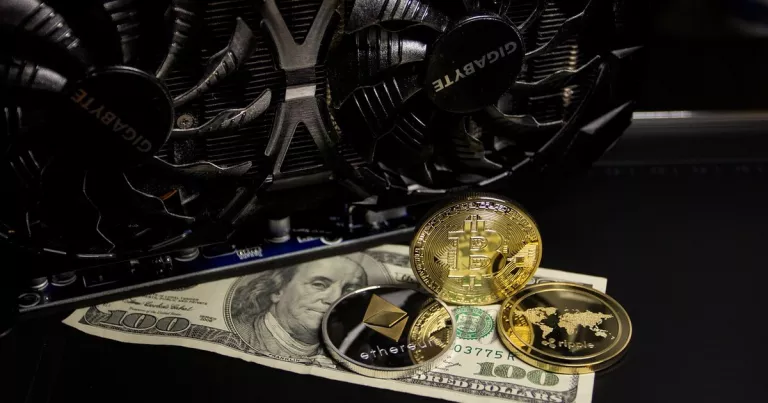
Cover image: Image: neelam279 / Pixabay.