The FBI officially blamed North Korean state-linked cyber actors for the $6.4 billion attack on cryptocurrency exchange Binance. On October 31, 2026, the federal agency confirmed that the group known as TraderTraitor executed the breach, making it the largest recorded theft in cryptocurrency history. U.S. law enforcement is now working with law enforcement agencies and decentralized finance (DeFi) platforms to trace and intercept the stolen assets.
Key facts
- The FBI, U.S. Secret Service, and IRS Criminal Investigation linked the Binance breach to North Korea’s TraderTraitor.
- Hackers stole approximately $6.4 billion in digital assets, mostly converted into Ethereum and Bitcoin.
- Issuers like Tether and Circle have frozen roughly $3 billion in stablecoins tied to the attack.
- The FBI released hundreds of suspect wallet addresses and requested platforms like THORChain to block incoming transactions.
- Binance confirmed customer funds remain intact, with the company covering the $6.34 billion loss using emergency reserves and corporate capital.

Advanced laundering tactics target DeFi protocols
Following the exploit, attackers immediately moved stolen tokens through hot wallets across roughly ten different blockchains. Blockchain analytics firm Chainalysis revealed that the perpetrators deployed novel tactics to bypass stablecoin asset freezes.
Because centralized issuers can blacklist specific ERC-20 tokens like USDT and USDC, the hackers converted assets on the Tron network into stablecoins and deposited them into lending protocols. In exchange, they received deposit receipt tokens, which stablecoin companies cannot freeze directly. The attackers then transferred these receipt tokens to new wallets, redeemed them for clean stablecoins, and bridged the funds into Ethereum.
Despite these maneuvers, issuers moved quickly to freeze roughly $3 billion. Tether locked over $1.5 billion in USDT, while Circle blocked about $823 million in USDC.
| Asset / Metric | Status / Value |
|---|---|
| Total Stolen | ~$6.4 billion |
| Target | Binance hot wallets / infrastructure |
| Attributed Group | TraderTraitor (North Korea) |
| Frozen Assets | ~$3.0 billion (USDT, USDC, others) |
| Remaining Hacker Balance | ~420,000 ETH and ~18,270 BTC |
Pressure builds on THORChain and node operators
To disrupt the remaining un-frozen funds, the FBI published a comprehensive list of illicit wallet addresses. The agency urged cross-chain protocols like THORChain, RPC node operators, and instant exchange providers to stop transactions involving the identified wallets.
THORChain has faced scrutiny in the past for its permissionless design. In September 2026, the network declined requests to censor transactions connected to a $388 million Bitget security incident, citing its decentralized architecture. Responding to the FBI alert, THORChain co-founder Chad Barraford noted that node operators see transaction data in real time without requiring formal subpoenas.
In an unrelated event, a technical issue on the Ethereum network caused a temporary pause on THORChain swaps, briefly interrupting the hackers’ ability to move funds across bridges.
Exchange security and market response
Binance traced the breach to compromised internal infrastructure rather than a flaw in underlying blockchain networks. CEO Richard Teng stated that the attackers used complex methods, including Ethereum’s EIP-7702 delegation features, to bypass internal authorization controls and convert hot wallets into asset sweepers.
To reassure users, Binance announced it is covering all missing funds using corporate holdings and its Secure Asset Fund for Users (SAFU). Understanding how to check if a crypto exchange is safe remains a critical priority for investors reviewing platform risk practices.
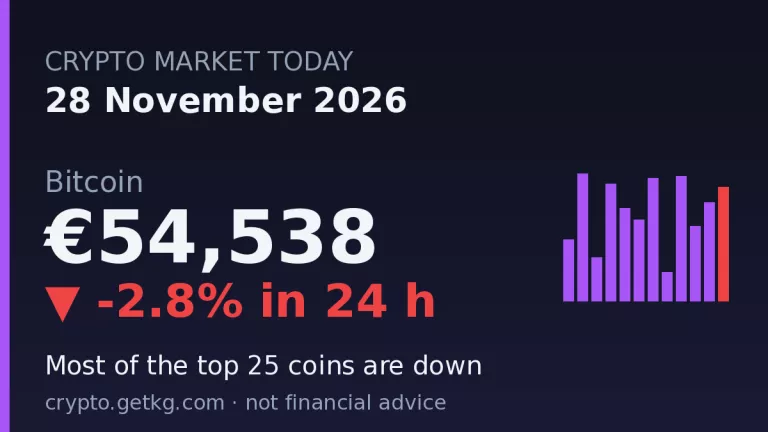
Market reaction remained measured compared to historical security incidents. While Bitcoin experienced a temporary 4% decline, broader markets stabilized quickly, partly due to institutional liquidity from spot Bitcoin ETFs.
What’s next
Binance paused withdrawals to conduct a full audit of its signing infrastructure, aiming to restore normal withdrawal features while publishing an updated proof-of-reserves report. Meanwhile, U.S. federal authorities and international security firms continue monitoring cross-chain bridges and decentralized exchanges to freeze additional stolen funds.
One sentence: crypto is volatile, this is not financial advice.
Sources: CryptoSlate, Decrypt, DW.com.
Cover image: Image: Coinstash / Pixabay.