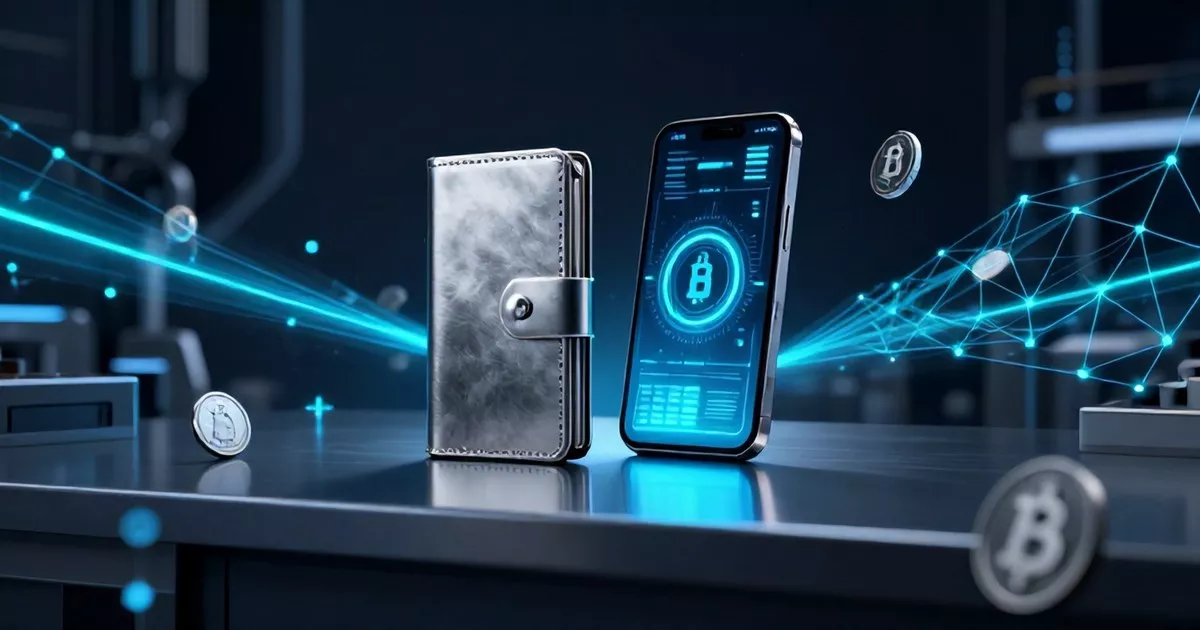
The choice between a cold wallet vs hot wallet comes down to balancing maximum security against everyday convenience. Cold wallets store your private keys entirely offline, protecting large sums against online hackers, while hot wallets remain connected to the internet for fast, easy access to decentralized applications and active trading. Neither choice is inherently superior for every scenario, so many crypto users rely on a hybrid strategy. Please remember that crypto assets are highly volatile, and this guide is for educational purposes only and does not constitute financial advice.
Key takeaways
- Internet connectivity is the core difference: Hot wallets are always connected online, whereas cold wallets keep key generation and transaction signing offline.
- Security vs convenience: Cold wallets offer top-tier protection against online malware and phishing, but hot wallets make daily transactions and DeFi activity faster.
- Cost considerations: Most software hot wallets are free to download, while physical cold hardware wallets carry an upfront hardware cost.
- Risk profiles differ: Hot wallets are vulnerable to digital exploits and malicious links, whereas cold wallets are exposed to physical loss, damage, or supply-chain risks if bought from unverified sellers.
- Combining both is often best: Storing core savings in a cold wallet while keeping dynamic spending funds in a hot wallet offers an ideal safety balance.
Understanding the Basics: Cold Wallet vs Hot Wallet
To manage digital assets on a blockchain, you use cryptographic keys: a public key (your address for receiving funds) and a private key (the mathematical key that authorizes outgoing transactions). How and where you store that private key determines whether your storage setup is considered “hot” or “cold.”
A hot wallet is any wallet software connected to the internet. Examples include mobile applications, web browser extensions, desktop applications, and account balances on centralized exchanges. Because the software runs on devices that continuously send and receive online data, creating and signing transactions happens quickly.
A cold wallet, by contrast, keeps your private keys isolated from internet-connected hardware. The most common cold wallets are specialized hardware devices (resembling USB drives) that feature secure element chips. Cold storage can also include paper wallets or air-gapped computers that never touch a network. Learn more about core concepts in our overview of what a crypto wallet is.

How Hot Wallets Work: Features, Pros, and Cons
Hot wallets are designed for accessibility. When you set up a software wallet on your mobile phone or web browser, the software generates your seed phrase directly on that device. From that moment on, the device holds your active keys.
Advantages of Hot Wallets
- Instant accessibility: You can interact with web3 apps, send payments, or exchange tokens within seconds.
- Zero initial cost: Most reputable hot wallets are completely free open-source software downloads.
- User-friendly design: Modern wallet apps feature intuitive visual interfaces, automatic token tracking, and built-in swapping functions.
Risks of Hot Wallets
- Malware and screen recorders: Software viruses on your computer or phone can scan your clipboard or log your screen to capture sensitive keys.
- Phishing attacks: Clicking a malicious link can prompt your wallet to sign bad permissions, draining your assets. Review how bad actors operate in our guide on crypto phishing attacks.
- Device compromise: If your laptop or mobile phone is stolen while unlocked, unauthorized parties might access your software wallet.
How Cold Wallets Work: Features, Pros, and Cons
Cold wallets place a physical barrier between your private keys and potential online attackers. A hardware cold wallet contains an isolated chip designed specifically to generate keys offline and sign transactions internally.
When you initiate a transfer using a cold wallet, your computer or phone creates the raw transaction details and sends them to the hardware device via USB or Bluetooth. The hardware wallet displays the details on its built-in screen. You physically press buttons on the device to confirm, and the device signs the transaction offline before passing the signed payload back to the internet-connected app for broadcast.
Advantages of Cold Wallets
- Immunity to online remote hacking: Even if your laptop is infected with keylogger malware, your private keys never leave the secure hardware device.
- Physical confirmation step: You must manually inspect and approve every outgoing transaction on the screen of the device itself.
- Long-term storage peace of mind: Ideal for holding larger amounts of crypto securely over extended periods.
Risks of Cold Wallets
- Upfront price: Hardware devices require purchasing physical hardware from official manufacturers.
- Physical vulnerability: Devices can be misplaced, destroyed by water or fire, or stolen (though protected by a PIN code).
- User error during setup: If you lose your recovery phrase paper backup, physical damage to your hardware wallet will permanently lock you out.
Side-by-Side Comparison: Cold Wallet vs Hot Wallet
The table below summarizes how cold and hot wallets compare across key operating factors:
| Feature | Hot Wallet (Software / App) | Cold Wallet (Hardware / Air-gapped) |
|---|---|---|
| Internet Connection | Always connected | Offline key storage |
| Primary Security Threat | Malware, keyloggers, phishing links | Physical theft, loss of seed phrase backup |
| Cost | Usually free | Upfront physical device cost |
| Convenience | High (fast dApp and exchange interactions) | Moderate (requires physical device verification) |
| Best For | Everyday transactions, trading, small balances | Long-term custody, medium to high balances |
| Setup Complexity | Very quick and straightforward | Requires careful step-by-step physical backup |
Which Storage Option Is Best for Your Needs?
Deciding between hot and cold storage depends on your personal habits, transaction volume, and overall portfolio size. There is no single rule for every user, but evaluating a few common scenarios can guide your choice.
When to Use a Hot Wallet
- You trade tokens frequently across decentralized exchanges.
- You hold smaller amounts of crypto intended for spending or active decentralized finance (DeFi) testing.
- You prefer quick payment access on your mobile phone without carrying external hardware.
When to Use a Cold Wallet
- You are accumulating crypto long-term as personal savings.
- Your total asset value exceeds what you would comfortably keep in a physical cash wallet.
- You want protection against device malware, phishing scripts, and remote software compromises.
Recommended Approach: The Hybrid Strategy
Many experienced investors do not limit themselves to just one wallet type. Instead, they operate a split setup modeled after traditional banking:
- Cold Wallet (Savings Account): Store 80% to 90% of your total crypto portfolio offline on a dedicated hardware device.
- Hot Wallet (Checking Account): Keep 10% to 20% of your holdings in a mobile or web hot wallet for daily interactions, gas fees, or regular trading.
When your checking account needs funds, you transfer a specific amount from cold storage. When your hot wallet balance grows beyond your comfortable spending limit, transfer the surplus back to your cold wallet. If you are preparing to move funds off a central service, check our detailed steps on how to withdraw crypto from an exchange.
Essential Best Practices for Secure Crypto Storage
Regardless of which storage option you choose, following foundational self-custody principles is crucial to protecting your digital assets.
- Never share your seed phrase: No legitimate wallet creator, customer support representative, or exchange administrator will ever ask for your 12-to-24-word recovery phrase.
- Store physical backups offline: Write down your recovery phrase on paper or stamp it into metal. Never take a photo of it or save it in a cloud storage account.
- Buy cold hardware directly: Always purchase hardware wallets directly from the official manufacturer to avoid tampered or pre-configured devices.
- Test small transfers first: When transferring assets between wallets for the first time, send a tiny test amount to confirm the destination address is correct.
- Keep software updated: Regularly update your mobile apps, operating system, and hardware wallet firmware to patch security bugs.
For a detailed walkthrough on setting up hardware cold storage safely, read our complete guide on how to set up a hardware wallet.
FAQ
Can a cold wallet be hacked remotely?
No. Because a cold wallet generates and stores private keys entirely offline, remote hackers cannot access your keys through an internet connection. However, a cold wallet can still be compromised if you manually sign a bad transaction on the device or reveal your written recovery phrase online.
What happens if I lose my physical hardware wallet?
If your hardware wallet is lost, stolen, or broken, your funds remain secure on the blockchain. You can restore access to your assets by entering your original 12-to-24-word seed phrase into a replacement hardware wallet or compatible recovery app.
Are exchange wallets considered hot wallets?
Yes. Wallets provided by centralized exchanges are a form of hot storage. However, they are custodial, meaning the exchange holds the underlying private keys on your behalf. If the platform experiences technical issues or security freezes, your access to funds could be temporarily restricted.
Is a hot wallet safe enough for beginners?
Hot wallets are safe for small, everyday balances provided you follow basic internet security habits. They are ideal for beginners building familiarity with crypto operations. As your balance increases, transferring your main savings to cold storage is strongly recommended.
Next step
Ready to elevate your self-custody routine? Explore our comprehensive checklist on how to set up a hardware wallet or review essential steps for moving assets safely in our guide on how to withdraw crypto from an exchange.